
Microneedling in Toronto for Smoother, Firmer Skin
Non-invasive collagen-induction therapy for visible skin rejuvenation
What Is Microneedling?
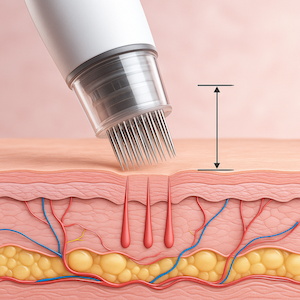
Microneedling is a cosmetic skin procedure that uses fine needles to create controlled micro-injuries in the skin, stimulating collagen production and natural repair. Traditional microneedling primarily affects the skin’s surface and may help improve texture, mild scarring, and pores but has limitations for deeper laxity or advanced aging. MedVSPA has not offered traditional microneedling treatments since 2018. This page is for educational purposes only.
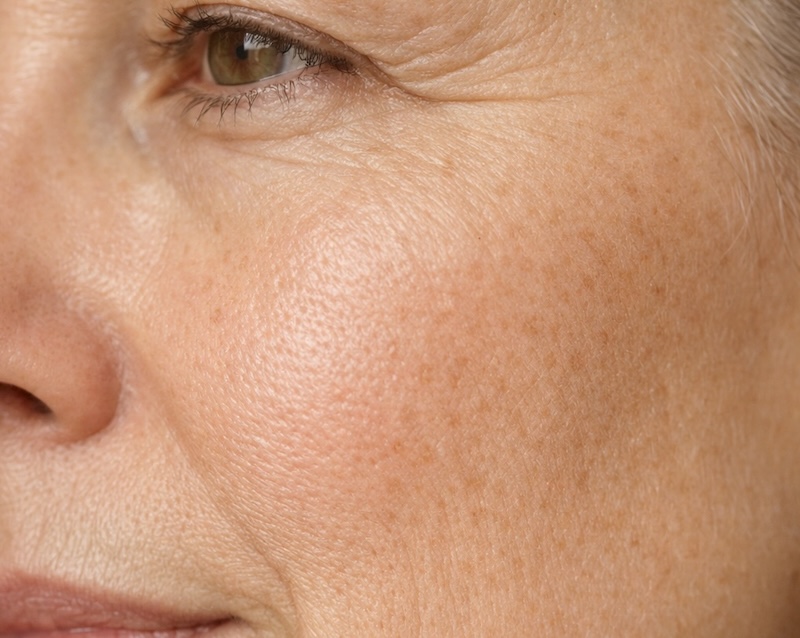
How Microneedling Works in the Skin
- What Traditional Microneedling Can and Cannot Improve?
- Is Microneedling Safe for Different Skin Types and Tones?
- Microneedling Considerations for Mature Skin (40s,50s,60s+)
- How Adding Radiofrequency Alters Microneedling at a Biological Level?
- When Skin Changes May Require More Than Traditional Microneedling?
- Why Some Patients in Toronto Start with Microneedling Education?
- Alternatives to Microneedling for Skin Rejuvenation

Can improve brightness and overall skin appearance by encouraging mild cell turnover at the surface of the skin.

May soften the appearance of fine lines caused by dehydration or early collagen changes in the skin.

Can help improve the appearance of shallow acne scars by supporting limited collagen renewal at the skin’s surface.
Potential Benefits of Microneedling for Skin Quality
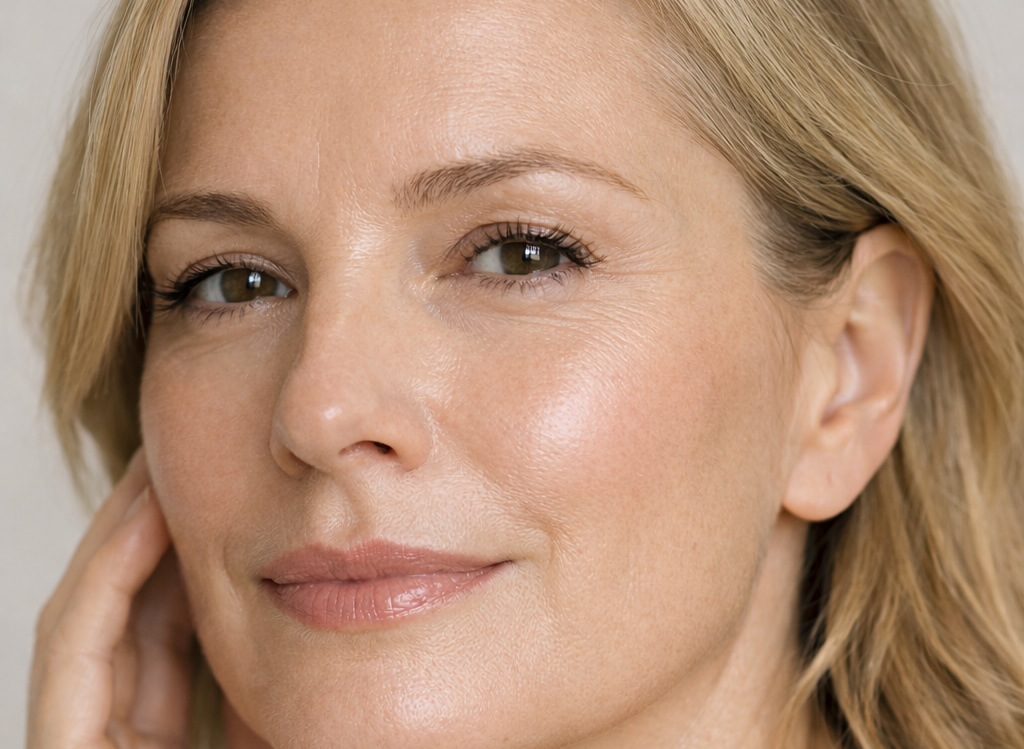 Improvements are cumulative, and outer skin changes vary based on many factors, such as aging type (different for sagging skin aging and tired aging), age by itself, and healing response. Traditional microneedling does not significantly tighten skin or correct deeper structural changes associated with collagen loss, which is why its role is typically limited to early or mild skin concerns.
Microneedling Education Resources for Toronto Patients
What Traditional Microneedling Can and Cannot Improve
When most people talk about collagen, they’re really thinking about the deeper support structure in the skin — the collagen that helps create firmness, lift, and a softer appearance of wrinkles. To stimulate this kind of collagen, the skin needs a signal that reaches deeper layers. Traditional microneedling can’t safely do that. Going deeper would be very painful and would naturally cause bleeding, which limits how far the treatment can go. Because of this, traditional microneedling is mostly limited to the surface of the skin, where it can improve texture but not create meaningful lifting or deeper wrinkle reduction.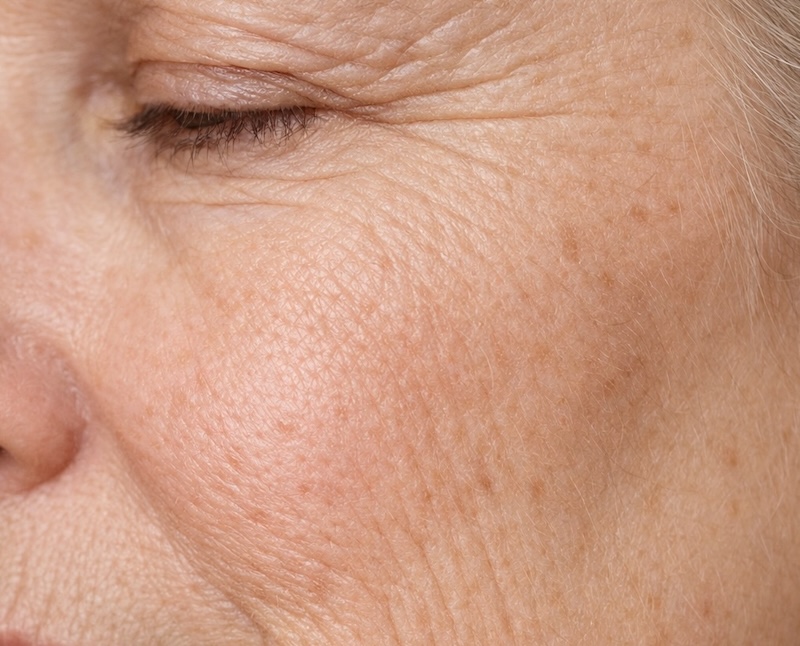
Patients often ask whether deeper collagen stimulation carries risks, which is why we’ve addressed common safety concerns separately in our article on RF microneedling and facial fat.
Is Microneedling Safe for Different Skin Types and Tones?
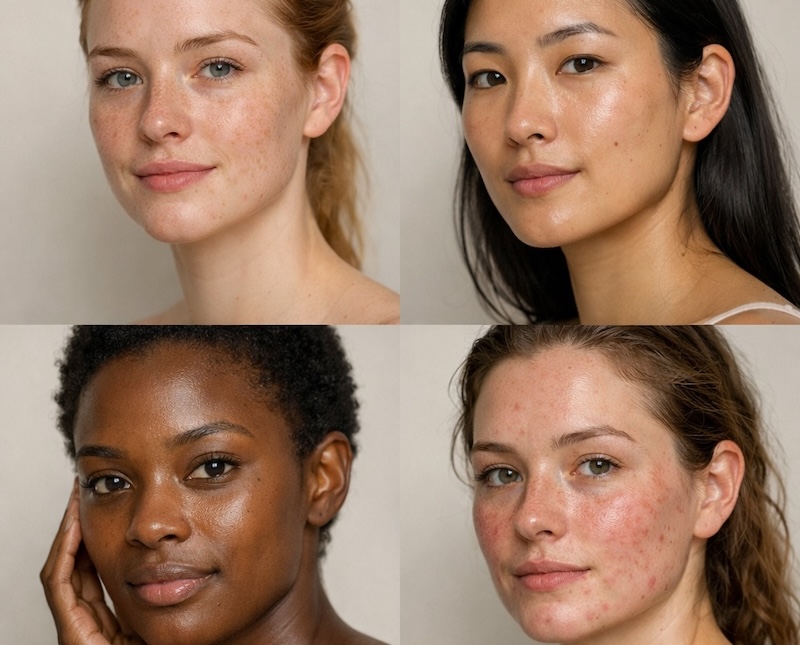
When considering microneedling for different skin tones, one of the main safety concerns is the risk of post-inflammatory hyperpigmentation, especially with sun exposure after treatment. Microneedling itself does not directly stimulate pigment-producing cells, which is why it is often considered safer than heat-based treatments for darker skin tones. However, if your skin tends to mark easily from scratches or minor injuries, it may be a sign that your skin reacts strongly to trauma, and microneedling may not be the most suitable option. Skin conditions such as rosacea or highly sensitive skin also require caution, as the treatment can overstimulate the skin and trigger flare-ups rather than improvement.
Microneedling Considerations for Mature Skin (40s, 50s, 60s+)
Mature skin often shows both superficial and deeper changes, which is why many clients are looking for skin tightening, lifting, brighter tone, smoother texture, and better hydration. These concerns can generally be divided into two groups. Superficial skin changes include uneven tone, dullness, fine lines, and dehydration. Deeper skin changes involve loss of structural support, which affects firmness and wrinkle depth.

When age-related skin changes involve deeper collagen loss, learning more about advanced RF microneedling can help clarify which treatments may better support firmness and structure.
Traditional microneedling works mainly on the superficial layers of the skin. For mature or menopausal skin, this means it may help the skin look fresher, brighter, and better hydrated, with some improvement in fine lines and texture. However, because it does not reach the deeper supportive layers of the skin, it cannot provide true lifting or significant tightening. Understanding this difference helps set realistic expectations and choose the most appropriate treatment for aging skin.
How Adding Radiofrequency Alters Microneedling at a Biological Level
When radiofrequency energy is combined with microneedling, the skin is stimulated at two different levels. At a deeper level, RF energy works together with microneedling injury to stimulate structural collagen—the collagen responsible for skin firmness, support, and lifting. This deeper stimulation triggers collagen remodeling where real tightening and lifting begin.
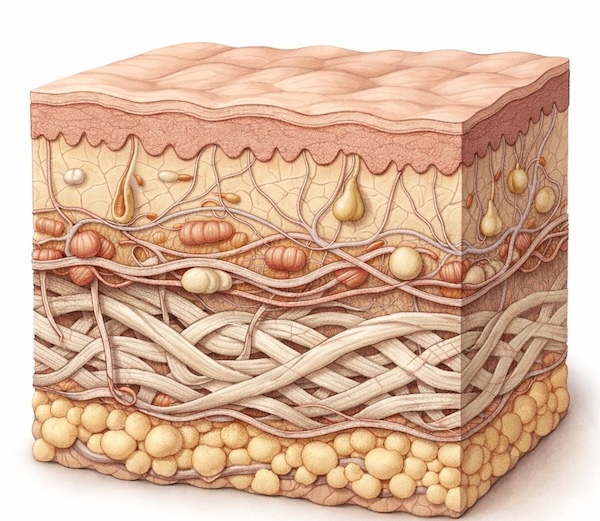
At a more superficial level, microneedling creates controlled micro-injuries in the skin, while gentle RF heat enhances the skin’s repair response at the surface. This combination strengthens the effect of traditional microneedling by improving texture, tone, and overall skin quality. By working both deep and superficial layers at the same time, RF-assisted microneedling supports a more complete and balanced skin rejuvenation process.
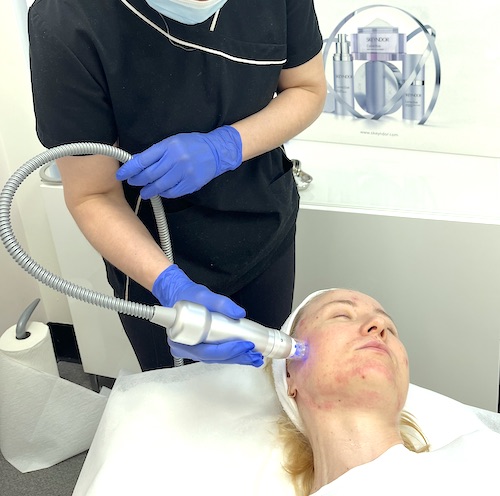 A detailed comparison of these two approaches is outlined in our educational guide on the difference between microneedling and RF microneedling.
When Skin Changes May Require More Than Traditional Microneedling
As skin changes with age, concerns often extend beyond surface texture to include loss of firmness, deeper wrinkles, and reduced structural support. These changes are primarily linked to deeper collagen loss rather than superficial aging alone. In such cases, traditional microneedling—which works mainly on the upper layers of the skin—may not provide sufficient stimulation to create noticeable improvement. Certain skin concerns, including jowls, drooping eyelids, deep nasolabial folds, deep acne scars, and sagging skin, are structural in nature and require more intensive collagen stimulation. Because superficial microneedling cannot effectively address both deep and surface-level skin changes at the same time, treatments capable of safely stimulating deeper layers of collagen are often needed to support skin tightening, lifting, and visible wrinkle reduction.
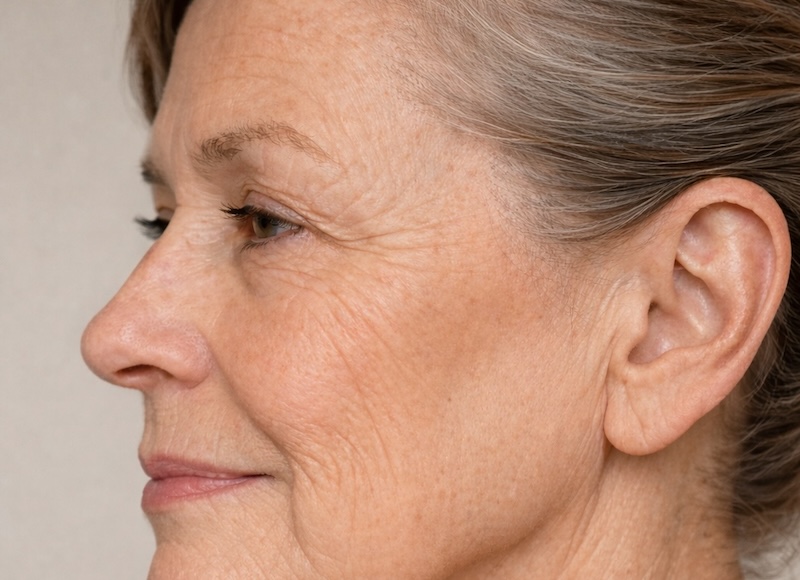
In these cases, treatments designed to safely stimulate deeper layers of collagen—such as radiofrequency microneedling—may be more appropriate for addressing tightening, lifting, and wrinkle depth.
Why Some Patients in Toronto Start With Microneedling Education
Many patients in Toronto looking for skin rejuvenation options find microneedling the first, simply because it is widely discussed online, frequently shared on social media, and commonly presented as an entry-level aesthetic option. Microneedling is more visible in search results because it is typically offered as an esthetician-level treatment using simpler, more affordable devices.
 RF microneedling, on the other hand, requires a much higher level of training- medical aesthetic, medical expertise, and a certificate of advanced technology training. Because of this, it is discussed less frequently in general aesthetic content and often requires more education to fully understand. This difference in visibility explains why many people encounter microneedling first, even when their skin concerns may benefit from deeper, more advanced treatment options.
Alternatives to Microneedling for Skin Rejuvenation
At MedVSPA Toronto, we offer a full spectrum of advanced skin rejuvenation treatments. If microneedling isn't right for you, consider:
Microneedling RF-SylfirmX:
- Targets deeper wrinkles, sagging skin
- Precise, controlled dark spots
- Shorter downtime and dramatic results
Injectable Treatments:
- Dermal fillers Juvederm to restore lost volume
- Neuromodulators (Botox) for dynamic wrinkles
Medical-Grade Facials:
- Lymphatic Drainage Facial
- Endospheres Facial

Among these options, treatments that combine microneedling with radiofrequency energy are often explored for their ability to address both surface quality and deeper structural support.

If you've been researching RF microneedling in Toronto, you've likely noticed two devices repeatedly mentioned: Sylfirm X and Morpheus8. Both are powerful technologies — but they are not interchangeable. They work differently, feel different, and deliver different outcomes depending on your skin type, age, concerns, and goals.

Not sure which microneedling treatment is right for you? This Toronto-focused guide compares RF and microneedling technology, results, downtime, and suitability by age group.

Is RF microneedling more than hype? See the clinical proof, histology, and real results that make this treatment a science-backed favorite at MedVSpa Toronto.

Worried that RF microneedling might melt facial fat? Discover how different devices—like Sylfirm X and Morpheus8—interact with fat layers, and how to protect your facial volume while tightening skin.

RF microneedling can take the place of other options like IPL, laser skin rejuvenation, microdermabrasion, and mesotherapy. It's one of the most effective ways to boost collagen and improve your skin, giving you great results for tightening, reducing wrinkles, and overall skin rejuvenation.

RF microneedling or laser—what’s better for your skin? Discover which treatment offers safer, more effective rejuvenation with less downtime. MedVSPA Toronto explains.

Discover how RF microneedling can tighten and smooth sagging skin on the arms, knees, and abdomen. Safe, non-surgical body rejuvenation at MedVSpa Toronto.
How MedVSPA Helps Patients Make Informed Skin Treatment Decisions
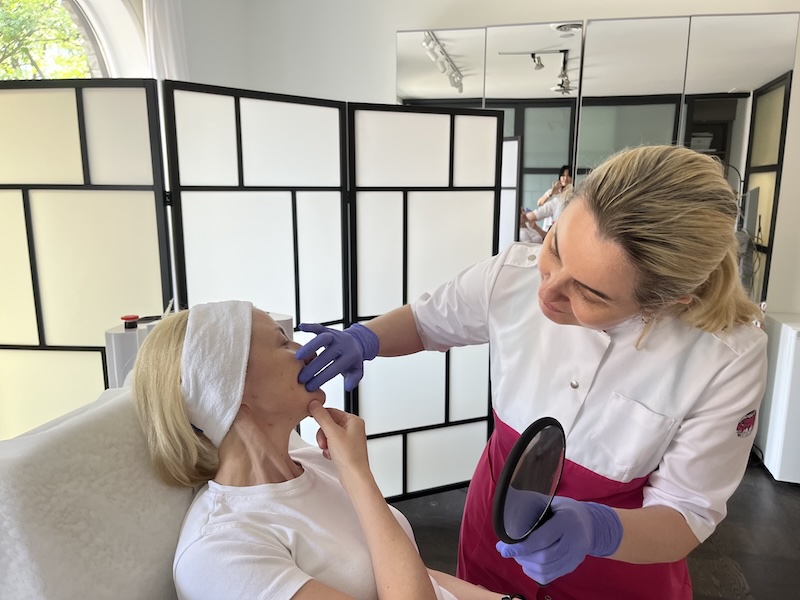 Based on this comprehensive assessment, different skin rejuvenation options are explained clearly, including what can realistically be achieved and where their limitations lie. Potential outcomes are discussed not only in relation to your goals but also to realistic expectations. All recommendations are guided by medical science, the latest clinical research, and more than 20 years of MedVSPA team experience, ensuring decisions are thoughtful, safe, and tailored to long-term skin health.
Common Questions About Microneedling
1. What is microneedling and how does it work?
Microneedling is a skin treatment that uses fine needles to create controlled micro-injuries on the skin's surface. This process stimulates the skin’s natural repair response and supports surface-level collagen renewal, helping improve texture, tone, and overall skin quality.
2. What skin concerns can traditional microneedling help improve?
Traditional microneedling may help improve mild, surface-level concerns such as dull or uneven skin tone, fine lines related to dehydration, uneven texture, and shallow acne scarring. Its effects are limited to the upper layers of the skin and do not address more profound structural changes.
3. What are the limitations of traditional microneedling?
Traditional microneedling primarily targets the skin's surface and cannot safely reach deeper layers where structural collagen is responsible for firmness and lifting. As a result, it does not significantly improve skin laxity, deep wrinkles, or advanced signs of aging.
4. Is microneedling safe for different skin types and tones?
Microneedling is widely regarded as safe for many skin types and tones when performed appropriately. However, individual factors such as skin sensitivity, healing response, rosacea, or a tendency toward pigmentation changes should be carefully evaluated before treatment.
5. What is the difference between microneedling and RF microneedling?
Traditional microneedling focuses on surface-level stimulation, while RF microneedling combines needles with radiofrequency energy to stimulate deeper layers of the skin and promote collagen production. This allows RF microneedling to address both surface quality and structural support.

